.avif)
Rajasthan Royals v Mumbai Indians
07/04/2026 19:30Delhi Capitals v Gujarat Titans
08/04/2026 19:30Hyderabad Kingsmen v Peshawar Zalmi
08/04/2026 19:30Norrie v Alex de Minaur
07/04/2026 17:10Volynets v Vekic
07/04/2026 17:15Real Madrid v Bayern Munich
08/04/2026 00:30Barcelona v Atletico Madrid
09/04/2026 00:30Miami Grand Prix - Race
04/05/2026 13:30Skiing – Speed, Adventure & Pure Thrill
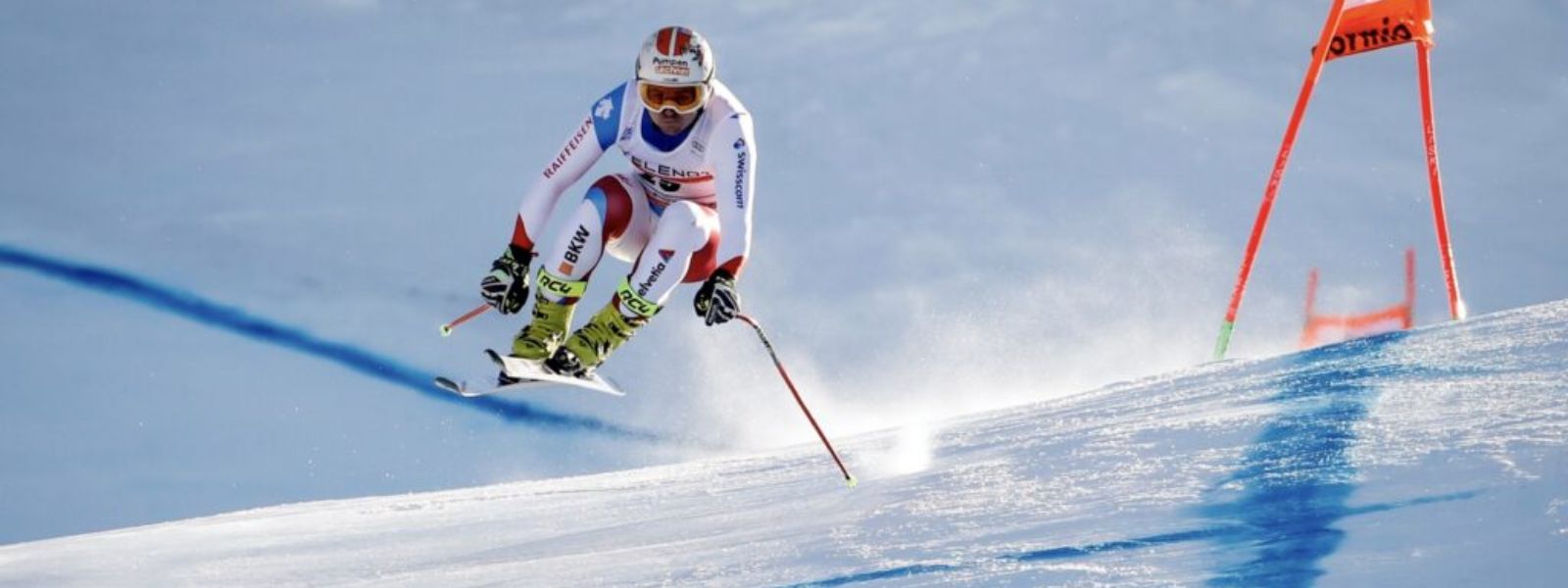
Skiing is a niche type of sport that is concerned with individual performance, weather conditions, and technical accuracy. Contrary to team sports, the results in skiing rely nearly solely on the skill of the athlete to maneuver through the course in an efficient manner that is both fast and controlled. Due to this, the events of skiing must be analyzed in detail, particularly in terms of terrain, weather and consistency of the athletes.
Knowledge of the various types of events is another super-important feature of skiing. Alpine skiing comprises downhill, slalom, giant slalom and Super-G, and each varies in its specifics. Downhill events are all about speed and demand that the athletes control themselves at the highest possible speed, whereas slalom events involve narrow turns and technical accuracy. Different fields will require a different set of skills, and athletes might excel in one of them.
The pre-event analysis is a significant aspect of skiing. The shape of the athletes, their recent performance and past performance in certain courses are key indicators. There are those skiers who can always perform well in any kind of condition, whereas others might only perform well in a specific kind of terrain or snow quality. Monitoring the recent finishes, time differences, and performance trends is useful in determining the current level of an athlete.
One of the most important factors in skiing is weather conditions. Performance may be influenced by snow quality, temperature, wind, and visibility. As an example, snow that is icy might favor technically strong skiers, whereas soft snow might favor skiers with better balance and adaptability. Weather variations during an event may also lead to changes in the difficulty of the course, especially to those who are late.
Another important factor is course design. The courses have their layouts with the number of turns, gradient of the slope, and technical difficulty. There are those sportsmen who excel on steep and fast tracks, whereas others are more comfortable on technical tracks with numerous twists. Knowledge of the suitability of a course to the strengths of an athlete can offer a good understanding when examining possible results.
The markets that are involved in skiing are usually centered on race winners, podium finishes, and head-to-head between the athletes. Podium is on who will place in the top positions, whereas head-to-head markets compare the performance of two athletes in the same event. These markets need to be evaluated keenly in terms of consistency, speed and suitability of the course.
Accuracy in timing is vital in skiing because in most cases, the final results are determined by seconds. Even little errors like failure to take the best line, or falling over on a turn, could make a big difference in finishing times. Due to this fact, consistency and technical accuracy are as critical as raw speed.
