.avif)
Rajasthan Royals v Mumbai Indians
07/04/2026 19:30Delhi Capitals v Gujarat Titans
08/04/2026 19:30Hyderabad Kingsmen v Peshawar Zalmi
08/04/2026 19:30Norrie v Alex de Minaur
07/04/2026 17:10Volynets v Vekic
07/04/2026 17:15Real Madrid v Bayern Munich
08/04/2026 00:30Barcelona v Atletico Madrid
09/04/2026 00:30Miami Grand Prix - Race
04/05/2026 13:30Scuba Diving – Explore the Depths, Experience the Adventure
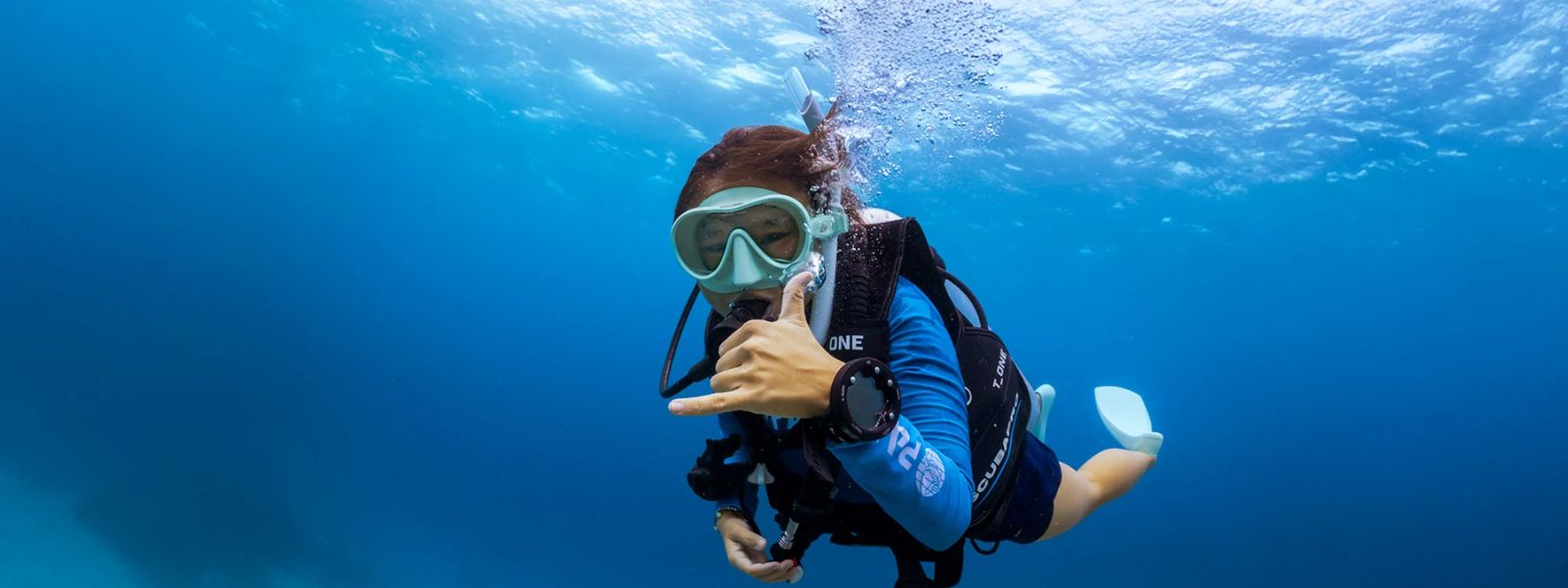
Scuba diving is a very niche sports sector, which is mainly associated with competitive diving events and underwater performance events. In contrast to mainstream sports, scuba diving is not necessarily based on highly standardized competition formats, and therefore analytical comprehension is more valuable than a massive data set. These events are more about technique, control, safety and execution than speed or direct competition.
The most important factor of scuba diving as a bettor is the nature of the event under observation. Diving competitions can involve underwater navigation, depth control, simulated rescue, or precision. In certain formats, the main consideration of divers is technique and accuracy whereas in others timing and efficiency are the main considerations. Since the formats may differ, it is crucial to comprehend the certain rules and scoring systems to interpret results.
In scuba diving, pre-event analysis is mostly based on the experience of the athlete, training background, and technical skill. Divers who are well certified and have a lot of experience in controlled and open-water conditions are more likely to be consistent. Buoyancy control, breathing efficiency, and precision of movement are some of the factors that greatly influence the quality of performance.
One of the factors that greatly affect scuba diving is the environmental conditions. The visibility of water, the strength of currents, temperature, and depth have effects on the performance of a diver. Clear and calm water conditions will provide an opportunity to control and be more accurate, whereas strong currents or low visibility may bring some more challenges. Experienced divers who are used to adjusting to the various conditions underwater are usually advantaged.
Where markets exist, scuba diving markets are generally small in comparison to mainstream sports. They can be general winners, performance ranking or head-to-head comparisons among divers. These markets are not based on extensive historical data, and therefore, they are more of a qualitative, and not statistical, evaluation.
Technical accuracy is one of the characteristics of scuba diving performance. Ascent: Unlike sports where speed or power is rewarded, scuba diving focuses on smooth movement, balance, and control. Minor mistakes in buoyancy or location may influence scoring or time taken. Divers who have a consistent technique during the event are usually more dependable.
Discipline and safety are other important factors. Sports like diving are very competitive, and safety measures must be followed to the letter since any deviation may influence the results. Divers should control their oxygen levels, limits of depth and equipment. Handling of equipment poorly or lack of discipline may lead to penalties or disqualification in some formats.
In-play or live is not as widespread in scuba diving because of the conditions of the game and the lack of real-time information. Nevertheless, early performance indicators, e.g., control, movement efficiency, and reaction to environmental conditions of a diver, can give an idea about the overall capacity of the latter in the event.
