.avif)
Rajasthan Royals v Mumbai Indians
07/04/2026 19:30Delhi Capitals v Gujarat Titans
08/04/2026 19:30Hyderabad Kingsmen v Peshawar Zalmi
08/04/2026 19:30Norrie v Alex de Minaur
07/04/2026 17:10Volynets v Vekic
07/04/2026 17:15Real Madrid v Bayern Munich
08/04/2026 00:30Barcelona v Atletico Madrid
09/04/2026 00:30Miami Grand Prix - Race
04/05/2026 13:30Horse Racing – Speed, Strategy & Pure Adrenaline
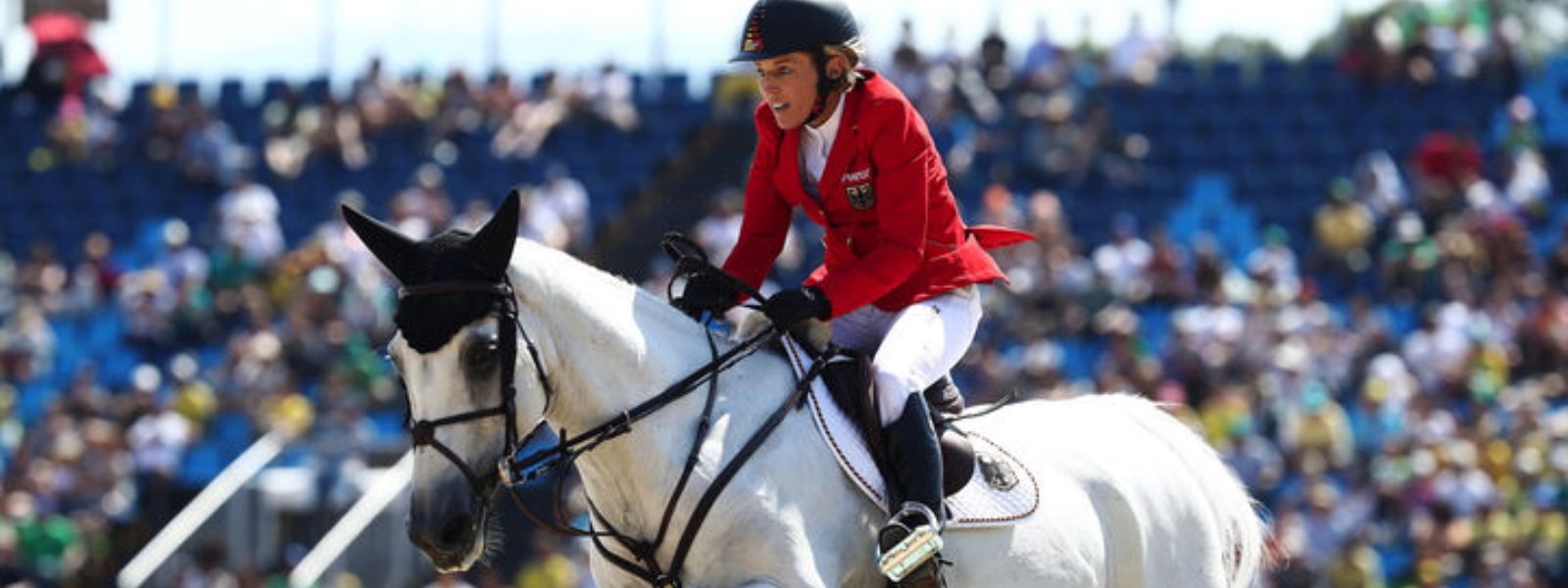
One of the oldest and most data-based sports is horse racing. It is a sport that integrates speed, timing, and various performance variables, and detailed analysis is a key component of the sport. Contrary to team sports, the results of horse racing are based on the interaction of the horse, jockey, trainer, track conditions, and race structure, which should all be considered carefully.
Race types are one of the most crucial issues of horse racing. Races differ in terms of distance, surface and classification. Sprinting is a shorter race, and it is suitable for horses that attain higher speed at the beginning of the race, whereas long-distance racing demands stamina and pacing skills. Flat racing and jump racing are also quite different, as in jump racing, there are also hurdles and fences, which make the process more challenging. The different race types require an alternative method of analysis.
One of the components of horse racing is form analysis. The history of a horse is a good indicator of the present condition and future prospects of the horse. The finishing position, race time, competition level, and recent improvements are some of the factors that are normally analyzed to determine the trend of performance. Those horses that continually do well in comparable conditions are usually regarded to be the more dependable indicators.
The job of the jockey is also significant. An experienced jockey is able to manipulate the results of a race by positioning, timing and making decisions during the race. It can be helpful to know the experience of a jockey, his/her success rate, and experience with a certain horse. On the same note, trainers are also very important in training horses, and their track record may show the extent to which a horse is going to perform well.
Another significant aspect of horse racing is track conditions. The state of the track, be it firm, soft or wet, can greatly impact the performance of a horse. Certain horses do well on some surfaces, and this is usually portrayed in their previous performances. The weather, rain, and temperature can change the quality of the track and affect race results.
Horse racing markets are varied and multi-faceted. The most popular market is the race winner but place, each-way, forecast and trifecta markets are also available. Place is a bet on whether a horse will be placed within a specific range of positions, whereas each-way is a bet that includes a win and a place bet. More complicated markets such as the forecast and trifecta involve making predictions on the precise order of the finish between the leading runners.
The starting position, also known as the draw, is another important factor. In some races, particularly over shorter distances, the starting position may affect the ease with which a horse may be able to secure a good position early in the race.
