.avif)
Rajasthan Royals v Mumbai Indians
07/04/2026 19:30Delhi Capitals v Gujarat Titans
08/04/2026 19:30Hyderabad Kingsmen v Peshawar Zalmi
08/04/2026 19:30Norrie v Alex de Minaur
07/04/2026 17:10Volynets v Vekic
07/04/2026 17:15Real Madrid v Bayern Munich
08/04/2026 00:30Barcelona v Atletico Madrid
09/04/2026 00:30Miami Grand Prix - Race
04/05/2026 13:30Motor Racing – Speed, Precision & Ultimate Adrenaline
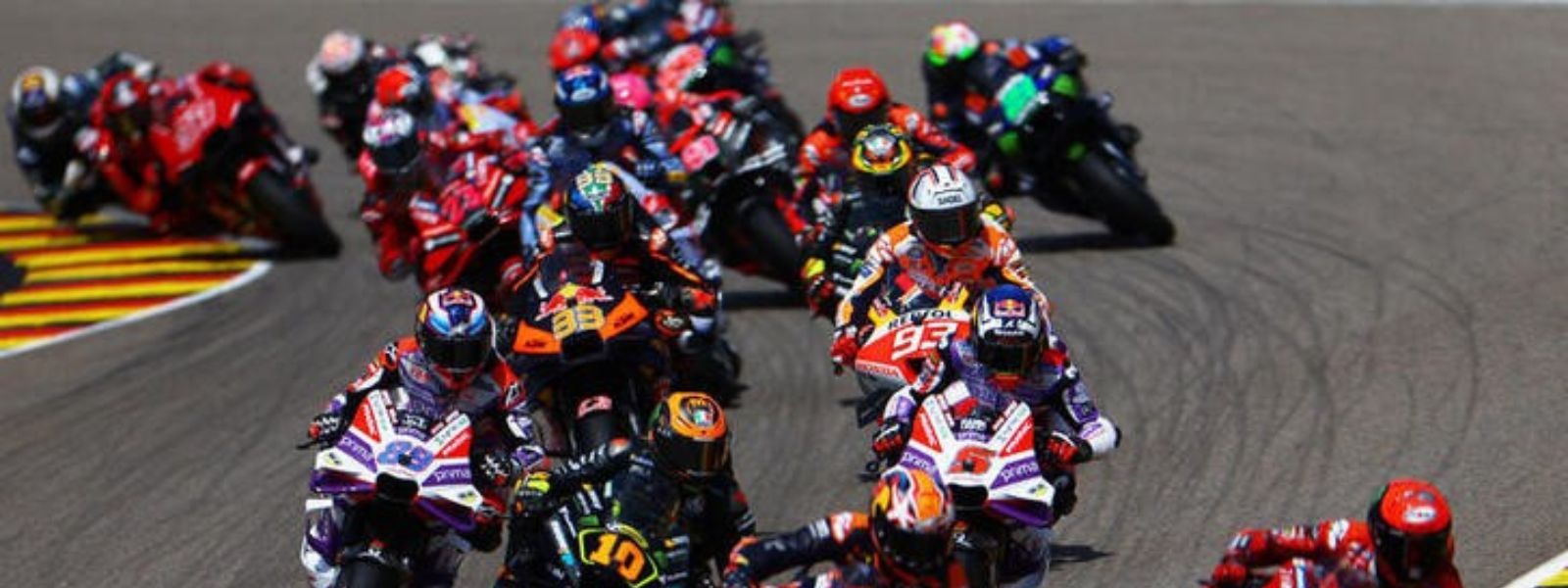
Motor racing is a very analytic type of sport, which dwells on speed, precision and strategy. Motor racing is unlike most other sports, where the result is not just based on the ability of the driver but also on the performance of the vehicle, the strategy of the team, and the conditions on the track. Such a combination of factors makes motor racing a complex and data-driven place to analyze.
One of the key aspects of motor racing is understanding race structure. The majority of races are several laps around a circuit, and the participants must be able to complete the race in the shortest time possible. This format can differ based on the type (e.g., circuit racing, endurance racing, or sprint formats). The methods of analysis are different in each of the formats because such aspects as tire management, fuel strategy, and length of the race affect the results.
The pre-race analysis is a very important aspect of motor racing. Qualifying performance is a key factor, especially because it defines starting positions on the grid. Front-runners are at a distinct advantage, particularly on courses where it is hard to pass. The qualifying time, track layout and historical overtaking trends analysis will be helpful in comprehending the influence of starting position in determining the race.
Another important factor is vehicle performance. The most competent driver will use a well-performing car to compete. Engine power, aerodynamics, tyre condition and reliability are some of the factors that lead to overall performance. Teams that are able to optimize these factors consistently are more likely to have better performance in races.
Markets in motor racing generally cover the winner of the race, the podium, the fastest lap, and head-to-head bets between two drivers. In a podium, the participants bet on the drivers who will be placed in the top positions, whereas in head-to-head markets, two drivers are compared to each other in the same race. These markets involve consideration of team performance and driver skill.
Race strategy is a characteristic of motor racing. Pit stop decisions, tire change decisions and fuel management decisions can have a great impact. A timely pit stop can give an advantage on the track, and bad strategy can cost one an opportunity. The knowledge of how teams make decisions regarding race strategy, their past patterns of decision-making, is very insightful.
Conditions and layout of tracks are also significant. Circuit characteristics are different in each circuit, including corner types, straight lengths and surface quality. There are those drivers who are good on technical circuits with lots of turns, and there are those drivers who are good on high-speed circuits. The weather, such as rain or temperature variations, may also have an additional effect on performance, such as tire grip and visibility.
Live or in-play is especially applicable in motor racing because of the dynamic nature of the races. The order of the race may be altered quite rapidly due to unexpected circumstances like accidents, mechanical issues or safety car deployments.
